Browse Our Books
You can browse our books easily with any of the following filters, hover over the filters or their titles to see their descriptions.
Reading Level
Categories
Or you can use quick search or switch to advanced search for better results...
Search Results (Found 2230 results)
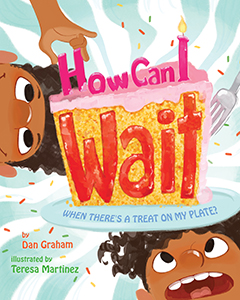
How Can I Wait When There's a Treat on My Plate? 
It's hard for some kids to wait for something that they really want! A marshmallow now or ice cream later? In this lively, rhyming picture book, twins Dell and Pete face a series of humorous choices that test their ability to stay strong in the face of temptation. Included is a Note to Parents and Caregivers that explores techniques to help kids build impulse control and learn to delay gratification.
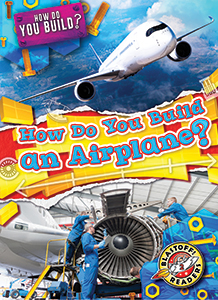
How Do You Build? (Blastoff! Readers: Level 2)
We experience incredible feats of engineering and design every day! This series guides curious young readers through the steps it takes to build bridges, cars, airplanes, and more. levelled text and labeled photos provide details about the builders and the parts involved. Special features highlight needed materials and famous examples of the structure or machine. The book concludes with the finished result and how it is used.s
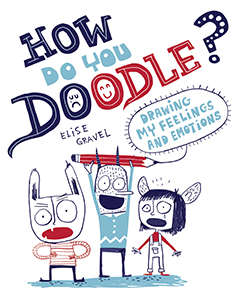
How Do You Doodle?: Drawing My Feelings and Emotions
Meet Otti, Ugga, and Flibb. They like to doodle. They doodle all the time! They doodle when they are mad, they doodle when they are glad, and they doodle when they are sad. They doodle just about anything they want! What about you? Do you doodle, too? How Do You Doodle? has over 40 doodle games for you to doodle, scribble, and draw out your thoughts, emotions, and feelings. You can draw or write whatever you want in this bookÑcute drawings, silly drawings, even ugly drawings. Be creative and express yourself! Your doodles will help you to understand and recognize your emotions and feelings.

How High-Tech Changed the World
Our world has been transformed by amazing high-tech inventions, but how do these incredible technologies work, who invented them, and how have they changed the way we live? Readers discover all this and more in this exciting and informative series. How High-Tech Changed the World is the ultimate guide to the science, the tools, and the people behind the tech revolutions that transformed our world.
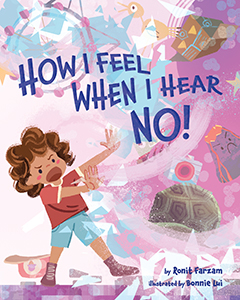
How I Feel When I Hear NO
This engaging story uses imaginative metaphors to explore a child's anger when his mom tells him, ""No."" Kids hate the word ""no""! It can make them feel mad and sad, turning them into a dragon that breathes fire, a mischievous wizard, and a raging volcano. It can make them want to destroy everything in their path. With a parent's help, together they can find the best way to turn a NO into a YES. Included is a Reader's Note with more information about helping children cope with big feelings associated with hearing ""no.
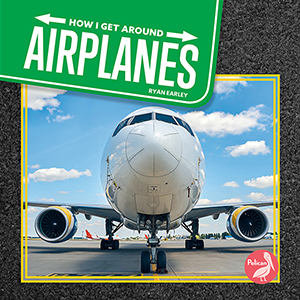
How I Get Around (Pelican) 
Whether it is by air, water, or land, there are so many ways to get around. This series will teach early readers all about different ways to get around, including airplanes, bikes, buses, cars, cruise ships, ferryboats, helicopters, motorcycles, subways, and trains. Simple text and vibrant images aid comprehension.
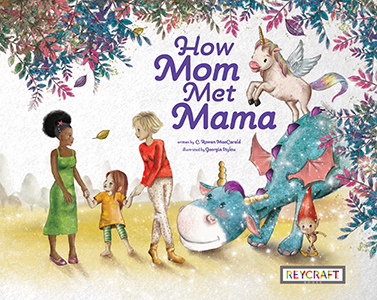
How Mom Met Mama
Once upon a time, a woman meets a mermaid and falls in love. But the story doesnÎt end there. Before they can live their happily ever after, the pair must go on a fantastical journey full of pirates, dragons, trolls, and wizards. What do you think happens next? Learn the (possibly) true story of how a girlÎs two mothers met.
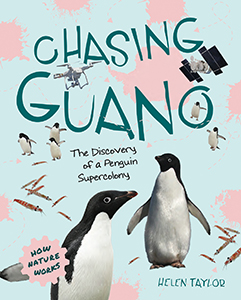
How Nature Works
How Nature Works books employ vivid photography and text (3,000 © 4,000 words) to ask questions of the natural world. These inquiry-based books, designed to stimulate active minds, include two Junior Library Guild selections, starred reviews, three NSTA Outstanding Science Trade Books of the Year, and an Audubon Magazine EditorÎs Choice.
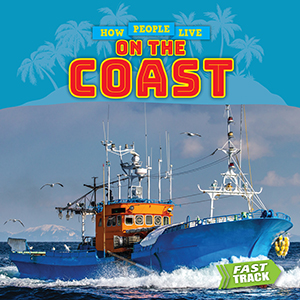
How People Live (Fast Track)
People live in all kinds of places, from bustling cities to remote mountains, and from the cold tundra to hot deserts. Our physical environment can affect the food we eat, the clothes we wear, the houses we build, and how we get around. This fascinating series takes readers on a journey around the world. By focusing on familiar, everyday activities, it shows how peopleÎs lives can be very different, but also very similar, to our own.
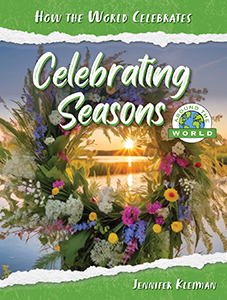
How the World Celebrates (45th Parallel Press)
In this series, readers have the chance to explore celebrations like never before, taking a journey around the globe to see how young people experience important celebrations in their lives and the lives of their family and community. Through the lens of young people from around the world, one from the United States, and three others from places across the globe, readers will experience the excitement and joy of cultural and community traditions that bring people together. This narrative nonfiction series uses considerate text that is written at a higher maturity level with a lower reading level to engage and accommodate struggling readers and includes sidebars that support geography, world history, and world cultures curriculum.